
First published: 2019-07-24 / Last reviewed: 2026-05-28
This is a guide to filler compiled by Dr. Choi Byeong-geun of SHINE U Clinic Konkuk (3 minutes' walk from Konkuk Univ. Station, Exit 1).
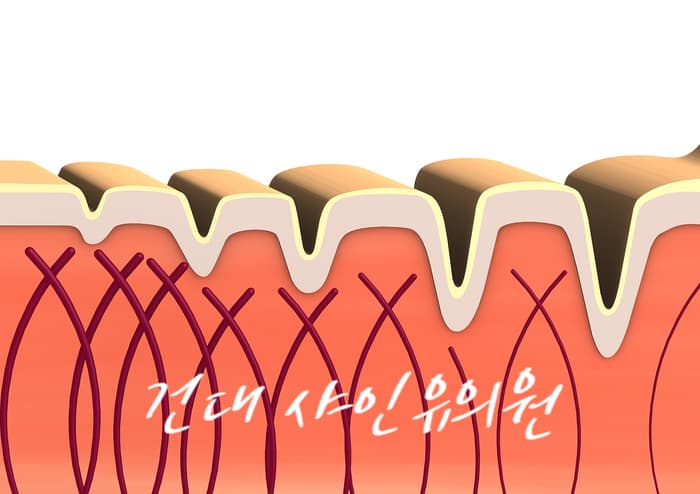
As we age, muscle and fat decrease, and collagen also diminishes, weakening the skin's internal structure and making the face appear to lose volume or sag. It is generally known that collagen slowly decreases after the age of 20. Today, we will summarize the process of collagen regeneration, which is considered by those who desire natural volume.
What concerns is it considered for?
During consultations, many people describe the following changes:
- When the undereye and nasolabial fold areas start to look sunken
- When the temples look sunken, making the cheekbones appear relatively prominent
- When desiring natural volume and finding the firm feeling of filler burdensome
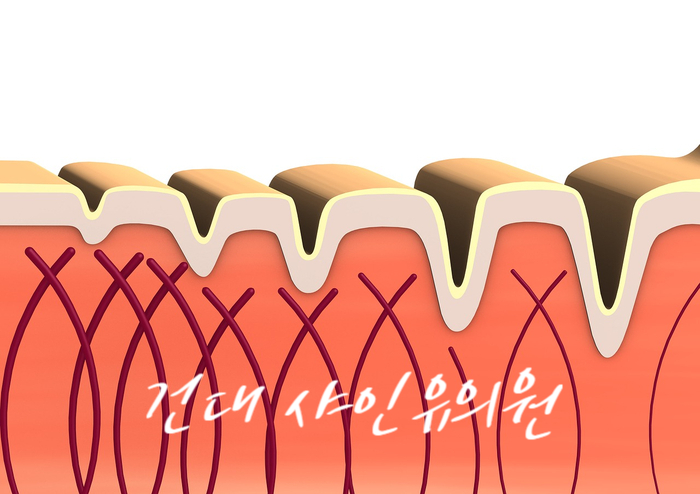
As collagen depletion progresses, the skin's elasticity and moisture retention capabilities tend to decline together.
Principle of collagen regeneration
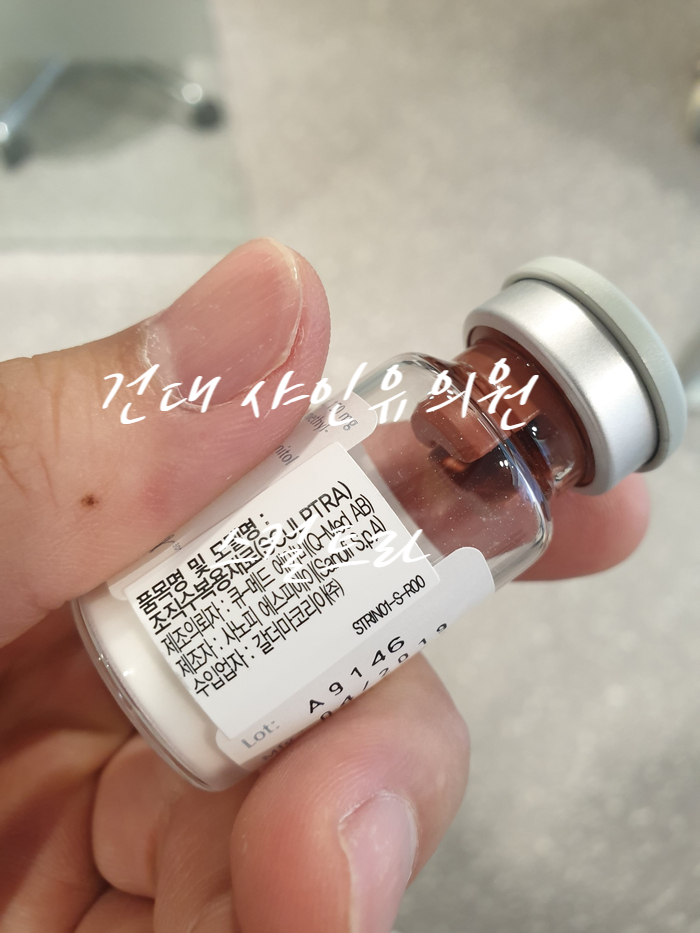
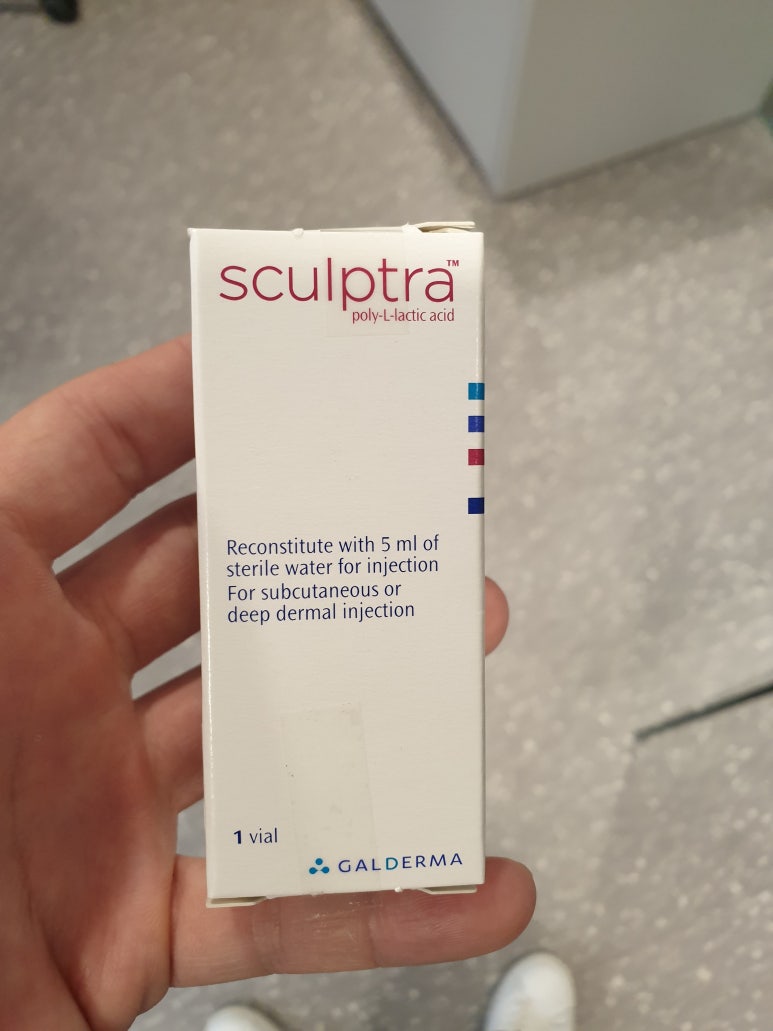
This method utilizes PLLA. PLLA is known as an ingredient approved by the Ministry of Food and Drug Safety in Korea in 2010 for facial wrinkle improvement, and it is broken down in the body through normal metabolic processes.
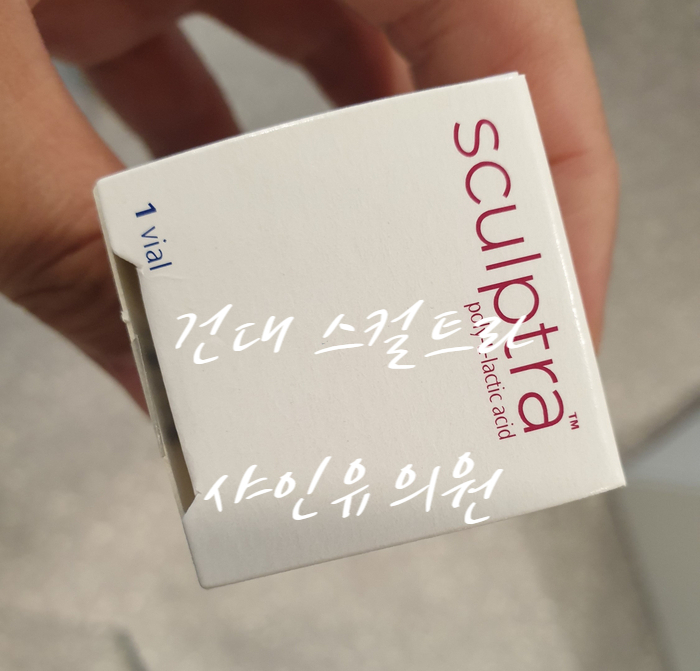
- It aims to gradually add volume to sunken areas by inducing collagen regeneration.
- Unlike filler, it does not provide immediate volume but gradually settles.
- Manufacturer data also reports results regarding collagen increase and maintenance.
Progress after the procedure
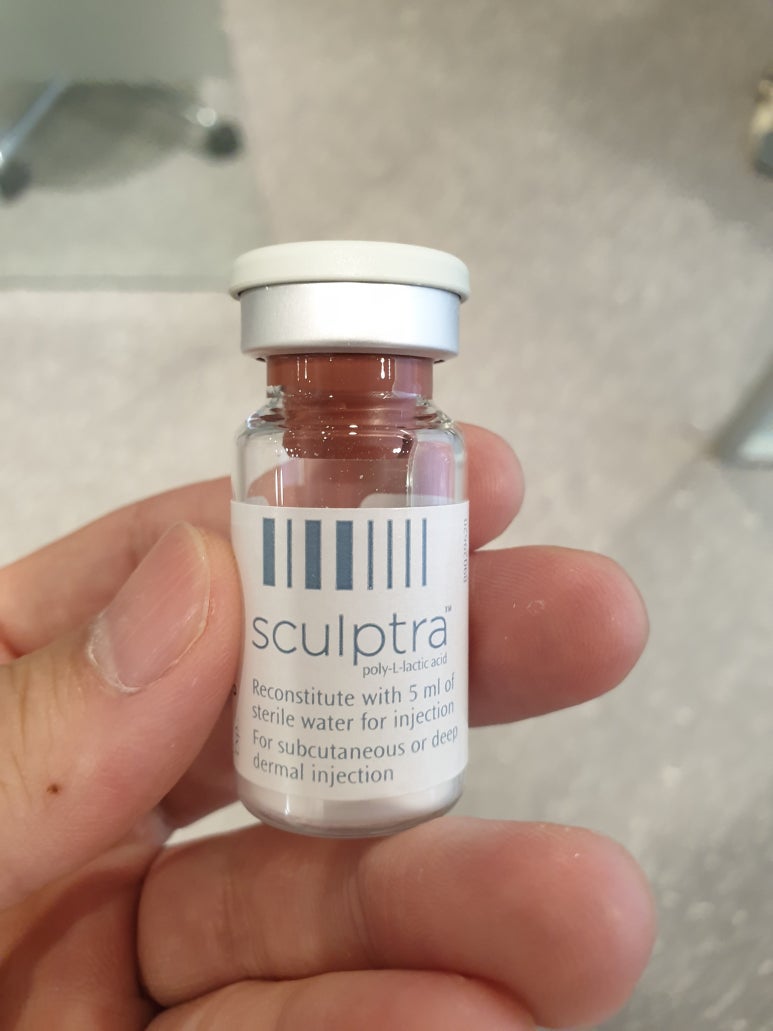
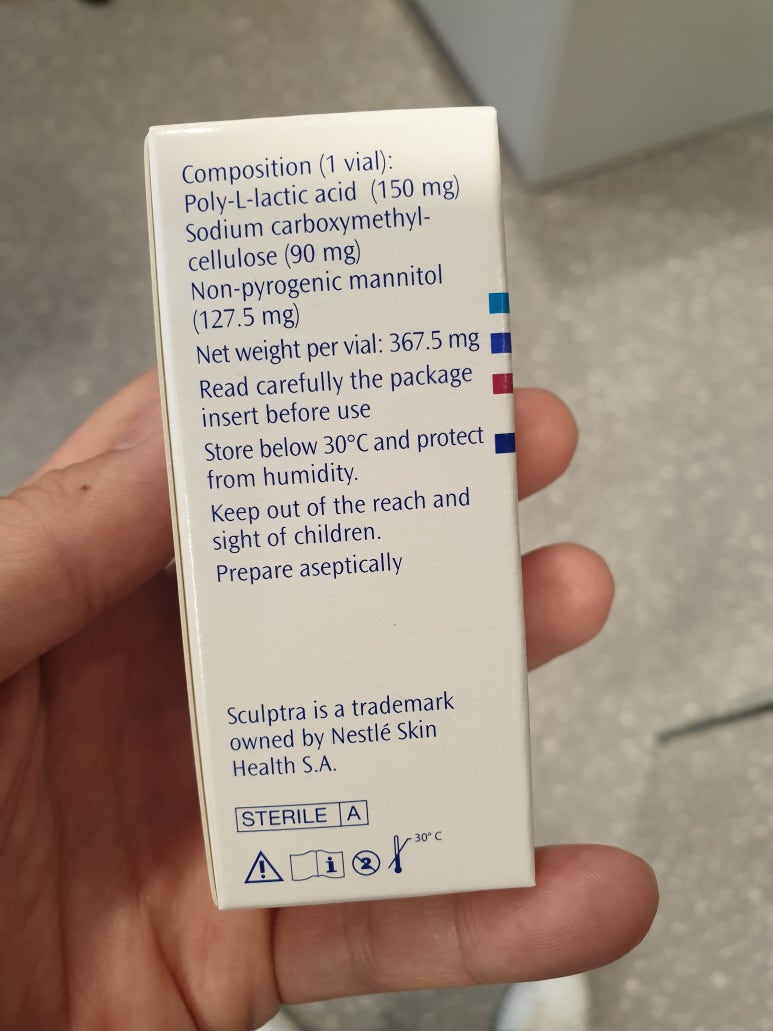
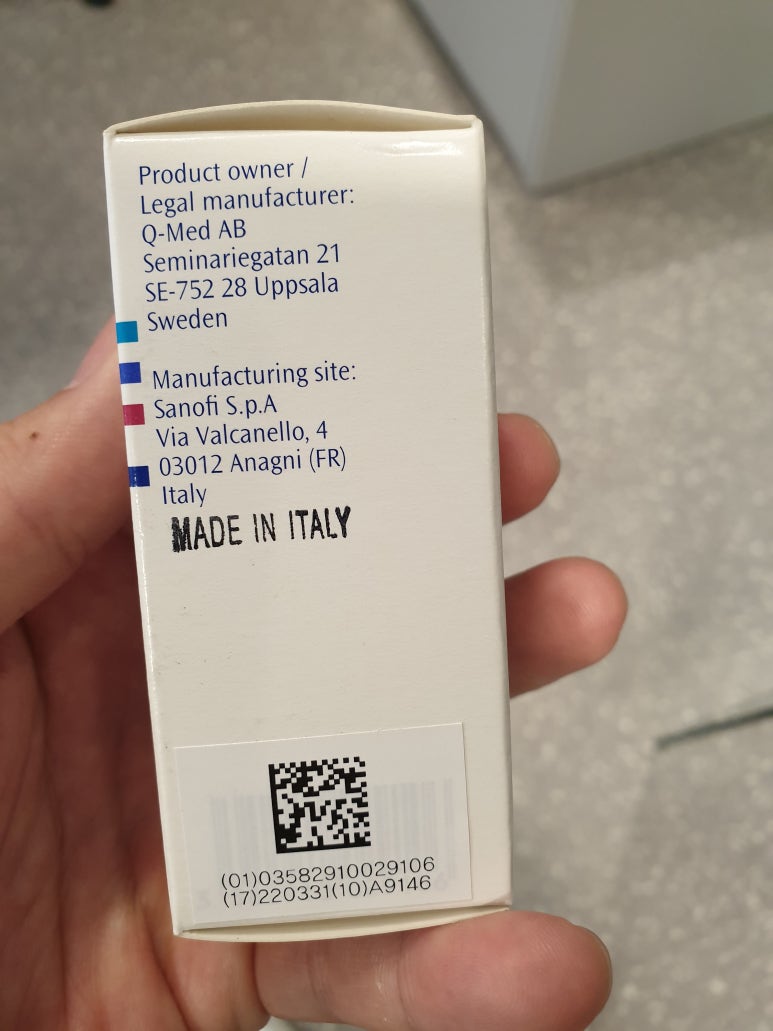
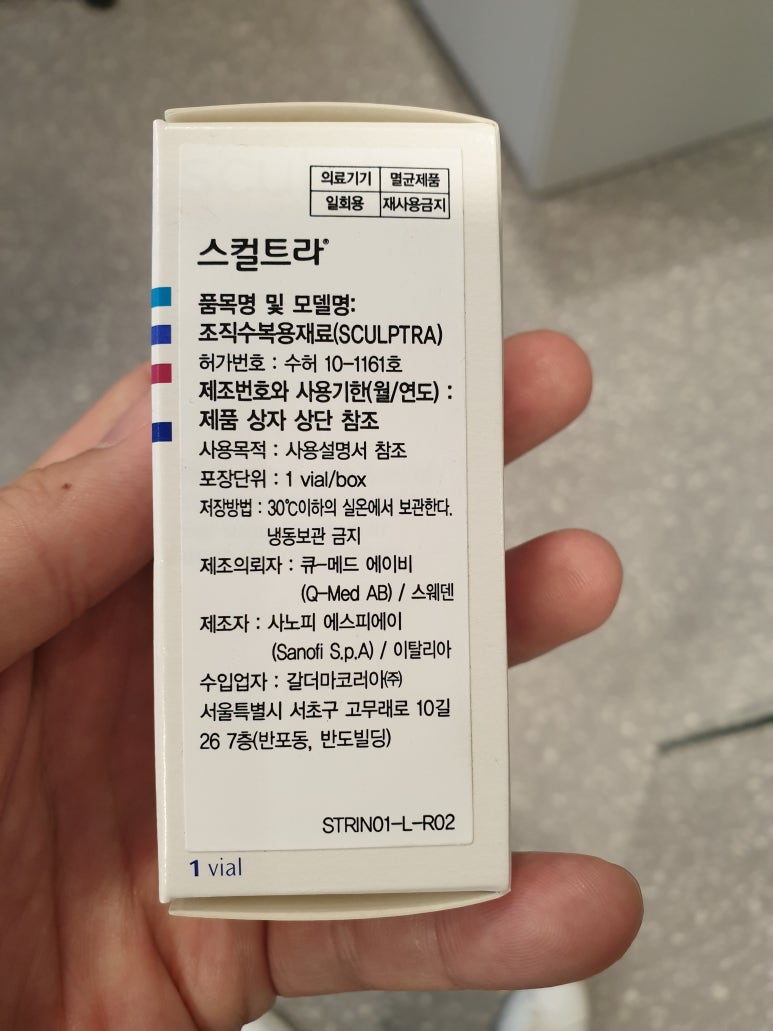
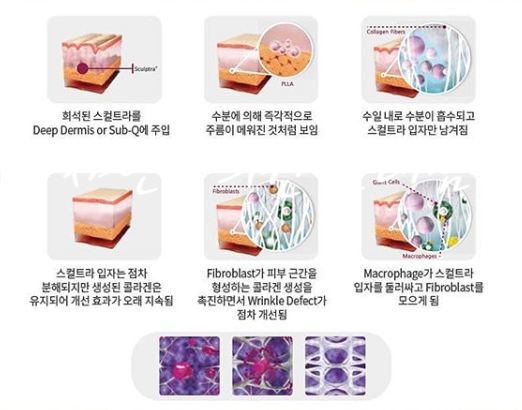
The progress after the procedure can generally be understood as follows:
- On the day of injection, you may temporarily feel a sense of fullness.
- Within a few days, the water is absorbed, and the volume decreases.
- Subsequently, fibroblasts gather and promote collagen production over several months.
- Volume gradually settles, and wrinkles are smoothed out.
It is usually performed multiple times at one-month intervals, using a blunt-tipped cannula.

Massage after the procedure is important
Massage care after this procedure is particularly important.
- The 5-5-5 method is well-known: 5 times a day, for more than 5 minutes, for 5 days.
- It is better to apply appropriate pressure rather than pressing too lightly.
- Consistent massage helps prevent lump formation.
Preparation to reduce lump formation
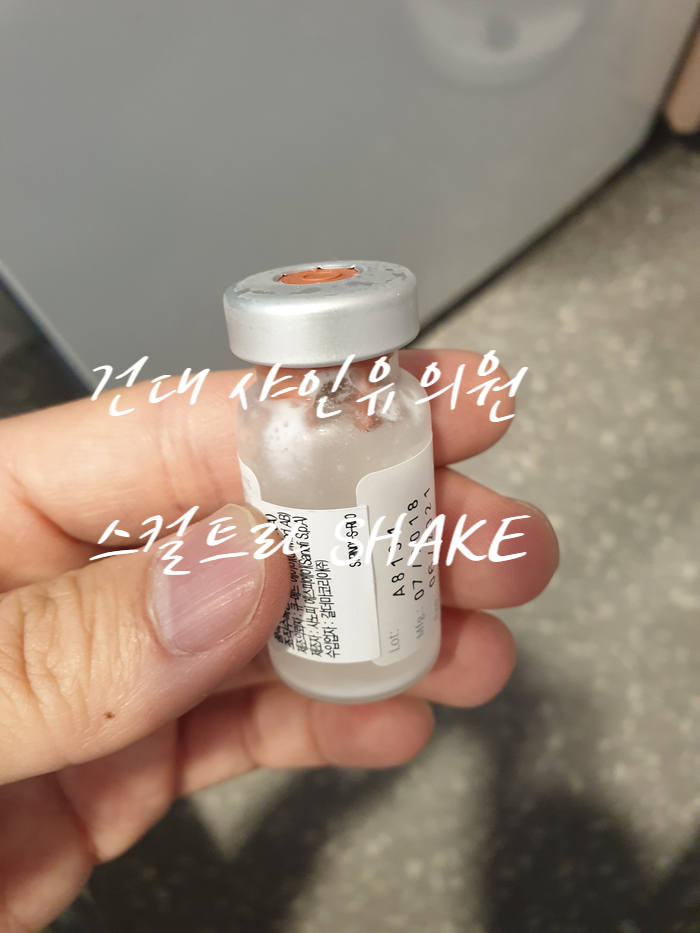
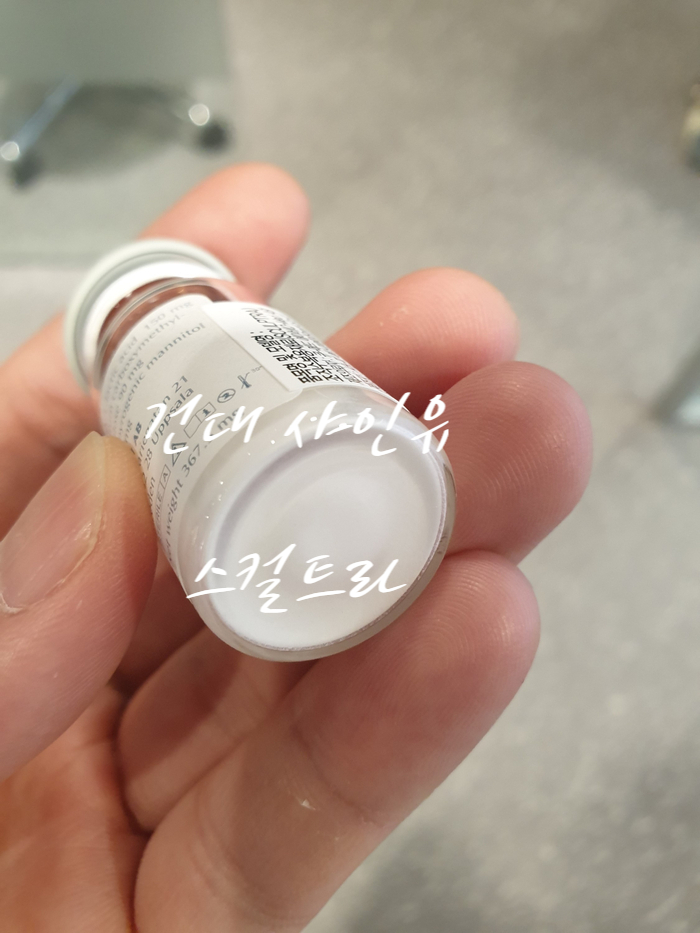
Lumps can occur due to factors from both the practitioner and the patient. Since powdered formulations can form lumps if not sufficiently hydrated, it is important to dissolve them and allow enough time, shaking them well until just before the procedure.
- If injected into too shallow a layer, it may feel like a nodule, so the practitioner's experience is crucial.
- Excessive amounts can also cause lumps, so prior consultation and design are necessary.
- It is mainly used for the front cheeks, temples, and nasolabial fold areas.
Since the changes need to be predicted in advance and meticulously planned, a thorough consultation with Dr. Choi Byeong-geun can be helpful. If you are curious about volume procedures, please inquire via chat.
In summary
Collagen regeneration is a procedure that involves gradual changes and consistent care rather than immediate transformation. It is often considered by those who are hesitant about surgery or desire a quick return to daily life after the procedure.





Planning according to your individual condition leads to natural results. If you have any questions, please feel free to inquire via chat consultation.
Authored by: Dr. Choi Byeong-geun (Chief Director of SHINE U Clinic Konkuk / Member of the Korean Society for Laser Dermatology and Hair, Korean Society for Aesthetic Plastic Surgery and Laser Medicine, Korean Filler Society, etc.) Last reviewed: 2026-05-28
This article provides general information about procedures and does not replace diagnosis or treatment. Suitability for the procedure and results may vary by individual.